

Key Takeaways:
- Pest activity shifts with temperature, rainfall, moisture, food availability, and access to shelter.
- Seasonal inspections help find small gaps, leaks, damaged screens, and yard conditions before they become larger problems.
- Keeping food sealed, reducing clutter, and correcting moisture issues make indoor spaces less inviting to many pests.
- Accurate identification matters because ants, rodents, termites, mosquitoes, and bed bugs require different responses.
- Integrated pest management principles emphasize monitoring, prevention, identification, and targeted control rather than automatic broad pesticide use.
Seasonal pest prevention is an important part of maintaining a comfortable home throughout the year. In Illinois and Indiana, changing temperatures, rainfall, landscaping, and household conditions can influence when pests become more active or seek shelter indoors. A practical checklist can help homeowners inspect common entry points, manage food and moisture sources, maintain outdoor areas, and monitor less-used spaces such as basements, garages, attics, and crawl spaces before minor concerns become recurring problems.
When activity persists or a pest is difficult to identify, professional guidance can provide a more targeted approach. Pointe Pest Control is a pest management provider serving Illinois and Indiana, with residential services for common household pests and rodents. Homeowners can visit pointepestcontrol.net to learn more about pest control services and prevention resources relevant to protecting homes throughout the region.
Table of Contents
Why Pest Activity Changes With The Seasons
Illinois and Indiana homes experience humid summers, leaf-heavy autumns, freezing winters, and wet spring stretches. Those conditions affect where pests feed, breed, and shelter. Rain can leave water in clogged gutters and containers, dry weather can draw pests toward plumbing moisture, and cold weather can send mice and other rodents indoors. Open windows, patio meals, firewood, and seasonal storage also create opportunities that did not exist a few months earlier.
Spring Home Pest Checklist
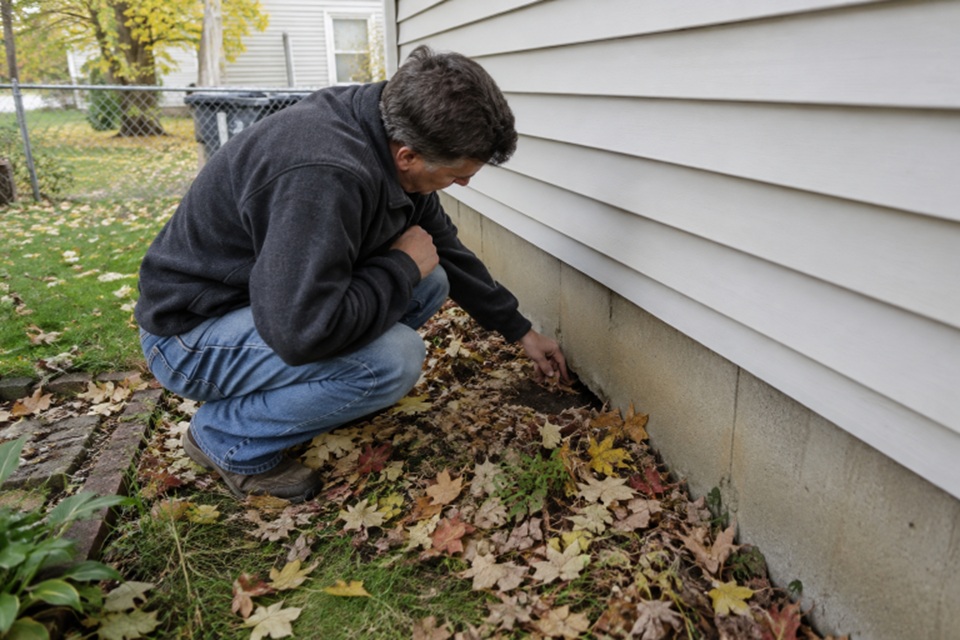
Spring is the time to look for winter damage and moisture problems. Walk the exterior after snowmelt or heavy rain, paying special attention to low spots near the foundation.
Suggested Spring Tasks
- Inspect foundation walls, siding transitions, and utility openings for gaps or cracks.
- Replace torn window screens and worn door sweeps.
- Clean the gutters and confirm that the downspouts carry water away from the house.
- Check basements, crawl spaces, attics, and under-sink areas for moisture or leaks.
- Trim branches and dense plants so they do not touch the structure.
- Watch for ant trails, mud tubes, or damaged wood, and containers that can collect water.
Summer Home Pest Checklist
Summer often brings more outdoor insect activity. Mosquitoes breed in standing water, while flies, ants, and stinging insects are drawn to food residue, trash, and sweet drinks.
Suggested Summer Tasks
- Empty water from buckets, toys, plant saucers, tarps, and clogged drains.
- Keep trash and recycling containers closed, rinsed, and set away from exterior doors when practical.
- Store pet food, birdseed, and pantry items in sealed containers.
- Repair dripping hoses, faucets, irrigation lines, and outdoor spigots.
- Mow grass, remove yard clutter, and inspect decks, sheds, and play areas for nests.
Before an outdoor gathering, cover food, promptly clear scraps, and empty the trash afterward. These simple habits reduce the chance that a cookout becomes a reliable food stop for pests.
Fall Home Pest Checklist
Fall is an important exclusion season because rodents and insects may look for protected indoor spaces as temperatures drop. Address small entry points before cold weather sets in to make the home more attractive.
Suggested Fall Tasks
- Seal gaps around pipes, vents, cables, doors, and utility lines.
- Inspect roof edges, soffits, attic vents, garage doors, and chimney areas.
- Move firewood away from the house and keep it off the ground.
- Clear leaves, mulch buildup, and damp debris from the foundation line.
- Check garages and stored decorations for droppings, nesting material, gnaw marks, or insects before bringing items indoors.
Winter Home Pest Checklist
Pest prevention continues after the first hard freeze. Indoor warmth, stored food, plumbing access, and quiet storage areas can support pests throughout winter.
Suggested Winter Tasks
- Check near furnaces, water heaters, pipes, floor drains, and laundry connections.
- Inspect pantry shelves, pet food, holiday decorations, and cardboard storage boxes.
- Keep basements, utility rooms, garages, and closets dry and uncluttered.
- Look for fresh droppings, shed skins, scratching sounds, greasy rub marks, or unusual odors.
- Make a list of exterior repairs to complete when spring weather returns.
How To Inspect A Home For Pest Risks
A basic inspection can take 20 to 30 minutes. Start outside, then work inward.
- Walk the foundation and note standing water, vegetation contact, cracks, and clutter.
- Check doors, windows, vents, rooflines, and openings around utilities.
- Look for leaks beneath sinks, behind appliances, and around plumbing fixtures.
- Review pantry, pet food, and garbage storage.
- Inspect quiet areas behind appliances, inside cabinets, in garages, and under stored belongings.
- Photograph and date any evidence so repeated activity is easier to recognize.
Common Signs Of Pest Activity
One insect indoors may be incidental, but repeated sightings or physical evidence deserve attention. Common signs include fresh droppings, gnawed packaging or wires, insect wings, shed skins, nests, small holes, and recurring activity near the same room or entry point.
What Homeowners Can Handle Themselves
For minor issues, focus first on sanitation, exclusion, moisture control, and monitoring. Clean crumbs and spills, repair weatherstripping, remove standing water, reduce clutter, and use traps or monitoring devices only as directed by their labels. Avoid random spraying, mixing products, or treating before identifying the pest. Keep children and pets away from treated areas.
When To Contact A Pest Professional
Professional evaluation is sensible when pest activity persists after cleanup and exclusion efforts, occurs in multiple rooms, or appears to originate within walls, ceilings, crawl spaces, or HVAC systems. Contact a qualified provider promptly for suspected termites, bed bugs, extensive rodent evidence, or an active wasp nest in a high-traffic area.
Frequently Asked Questions
How Often Should a Homeowner Check for Pest Problems?Complete a more thorough check each season, plus a quick review after major storms, extended travel, renovation work, or sudden temperature changes.
What Is the Most Important Pest Prevention Step?No single step works for every property. Sealing entry points, reducing moisture, protecting food, managing outdoor clutter, and monitoring for evidence work best together.
Are Pesticides Always Needed?No. Many small concerns can be improved through cleaning, repairs, exclusion, and moisture control. Treatment may be appropriate when pests are established or difficult to reach.
What Should Be Done After Finding Rodent Droppings?Do not sweep or vacuum dry droppings. Wear gloves, follow safe cleaning guidance, disinfect the area, and investigate how rodents may be entering.
Conclusion
A seasonal checklist helps Illinois and Indiana homeowners respond to conditions before pests settle in. Regular inspections, dry foundations, sealed entry points, clean storage, and accurate identification can prevent many routine pest problems from becoming more disruptive.