

Key Takeaways:
- Proper planning and risk assessment are essential for safe pigging operations.
- Regular maintenance and inspection of pigging equipment prevent operational failures.
- Training personnel on safety protocols reduces the risk of accidents.
- Utilizing advanced technologies can improve the efficiency and safety of pigging processes.
Maintaining the integrity and performance of pipelines is a crucial aspect of the oil and gas industry, directly impacting safety, operational efficiency, and environmental stewardship. One of the cornerstone processes in this effort is pipeline pigging—a specialized maintenance activity designed to clean, inspect, and ensure the smooth operation of pipeline systems. Employing natural gas pipeline pigs for safe and reliable maintenance is essential for preventing blockages and detecting issues before they escalate into major incidents. A disciplined approach, grounded in industry-recognized best practices, is essential for unlocking the full benefits of these operations.
Safe pigging operations depend not only on the right equipment but also on thorough planning, continuous personnel training, and the adoption of innovative technologies that increase safety and efficiency. Incorporating these elements into standard operating procedures helps operators avoid unplanned shutdowns, reduce costly downtime, and protect workers from hazardous conditions.
Operators face evolving challenges, including variable product flow, aging infrastructure, and the need for real-time monitoring. Addressing these challenges while complying with stringent regulations requires a strategic approach that aligns with proven methodologies. Regular assessment, maintenance, and documentation are essential to the success of any pigging program.
This comprehensive guide outlines the critical elements that drive safe and effective pigging operations, emphasizing practical steps that industry professionals can implement to enhance pipeline reliability and reduce risk. Each section below explores actionable strategies, tools, and technologies that maximize the value and security of pigging initiatives across various pipeline systems.
Table of Contents
Planning & Risk Assessment
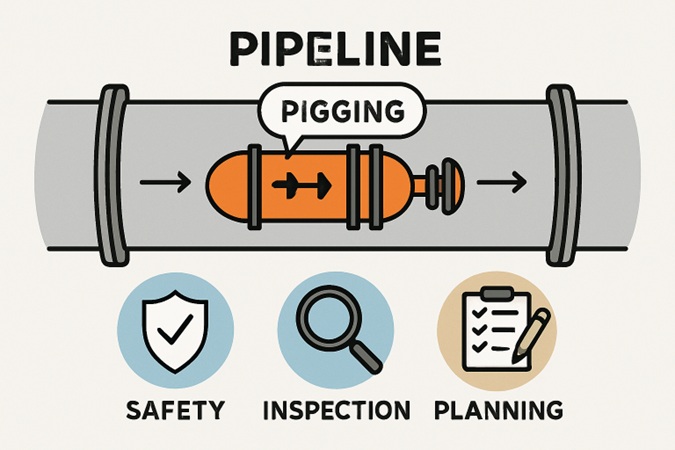
Effective pipeline pigging starts with detailed planning and risk assessment, tailored to each pipeline’s unique conditions. Operators should evaluate factors like product type, pipeline age, and environmental influences while developing clear procedures for pig launching, tracking, and safety protocols. Using risk matrices, scenario planning, and historical data helps prepare for incidents such as pig jams or leaks. A strong risk mitigation plan is vital in hazardous environments with flammable or corrosive materials.
Equipment Maintenance & Inspection
The reliability of pigging operations depends mainly on the condition of the equipment. Pigs, launchers, receivers, and associated valves and sensors must be regularly inspected and maintained according to manufacturer specifications. Conducting pre-operation checks ensures that no worn or malfunctioning components enter service. Preventive maintenance can help avoid pipeline pigging issues such as sticking, bypass, or incomplete cleaning results.
Record-keeping is vital. Tracking maintenance history and inspection results provides valuable information for trend analysis, supporting continuous improvement initiatives. In the event of repeated equipment failures or operational interruptions, a root cause analysis should be conducted to identify and address underlying problems, thereby ensuring pipeline longevity and minimizing downtime.
Personnel Training & Safety Protocols
Personnel safety is paramount in pigging operations, which often involve hazardous materials and high pressures. Comprehensive training on safety protocols, equipment handling, and emergency procedures must be mandatory for anyone taking part in pigging activities. Regular safety drills—covering both routine and emergency scenarios—are crucial for building familiarity with shutdown procedures, gas monitoring devices, and rescue operations.
Beyond technical skills, cultivating a safety-first mindset throughout the team reduces the probability of human error. Teams should be encouraged to participate in safety meetings, report near misses, and suggest improvements to protocols based on their in-field experiences. The American Petroleum Institute provides additional guidance on pipeline safety practices and training modules.
Utilizing Advanced Technologies
Technological advancements enhance pigging safety and efficiency. Smart pigs with sensors collect real-time data on pipeline conditions, enabling predictive maintenance and preventing failures or environmental issues. Remote monitoring allows operators to track pig movements safely, reducing exposure to hazards. Automation, wireless communication, and digital records streamline processes, reduce errors, and enhance resource utilization.
Monitoring & Documentation
Continuous monitoring and documentation are essential for refining pigging operations and ensuring compliance with regulations. Detailed records—including schedules, equipment, challenges, and responses—are vital for audits and process improvements. Systematic documentation ensures compliance with safety standards, such as those from the U.S. PHMSA. Regular review of data enables operators to identify trends, recurring issues, and necessary corrective actions, thereby supporting a resilient maintenance program that adapts to technological, regulatory, and environmental changes.
Conclusion
Adhering to best practices in pipeline pigging is essential for safeguarding personnel, protecting the environment, and ensuring the uninterrupted flow of energy resources. By investing in meticulous planning and risk assessment, maintaining equipment integrity, prioritizing comprehensive training, integrating advanced technologies, and committing to effective monitoring and documentation, operators can significantly elevate the safety and performance of their pigging operations. With a culture of continuous improvement and knowledge sharing, the oil and gas industry can rise to the evolving challenges of pipeline maintenance and deliver reliable, sustainable energy solutions today and into the future.