
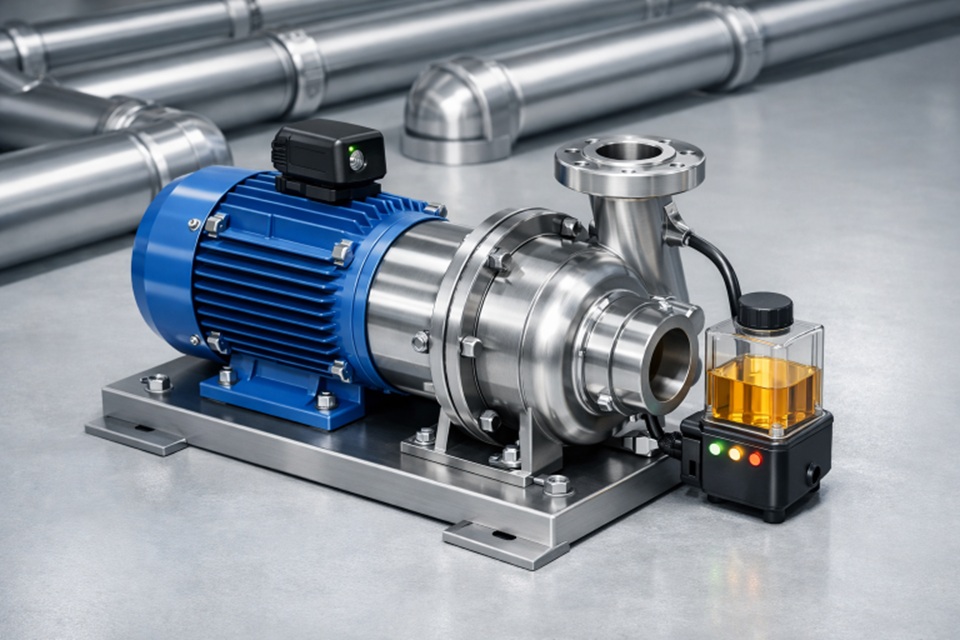

- Implementing intelligent lubrication systems can significantly reduce bearing failures.
- Robust pump designs and smart technologies enhance long-term performance.
- Upgrading materials and components can mitigate issues like cavitation.
- Regular monitoring and predictive maintenance are essential for early fault detection.
Ensuring the reliability of pumps in industrial settings is essential for maintaining operational efficiency and minimizing costly downtime. For engineers and maintenance teams, finding solutions that prevent failures and optimize performance is a constant priority. Today, several advanced strategies can help you better protect your pumping systems, maximize equipment lifespan, and achieve your plant’s uptime goals. If you’re interested in exploring specific product lines and industry application insights, you can learn more details.
With advances in technology, industries now have access to intelligent solutions and improved materials that significantly reduce the risk of pump-related disruptions. In this article, we explore actionable practices for enhancing pump reliability. These methods address common failure modes like bearing problems, design limitations, material issues, and lack of real-time monitoring.
Upgrading to these modern solutions not only cuts down on emergency repairs but also contributes to improved safety, sustained productivity, and lower total cost of ownership. Proper implementation supports compliance with industry standards and helps you stay competitive through efficient, high-quality production. Key focus areas include lubrication management, robust mechanical designs, material optimization, and predictive analytics.
Pumping technology continues to evolve in response to challenging environments and the increasing demand for sustainable operations. Industry leaders now prioritize proactive maintenance and digitalization to boost reliability and long-term savings. By adopting a holistic reliability program, facilities can mitigate some of the most persistent challenges in pump operation.
Table of Contents
Intelligent Lubrication Systems
Pump bearings play a fundamental role in operational stability. However, their integrity is often threatened by suboptimal lubrication practices. Industry data shows that up to 80% of bearing failures can be traced to lubrication issues, such as inadequate lubricant intervals, contamination, and incorrect oil types. Intelligent lubrication systems tackle these shortcomings with automated, sensor-driven technology that delivers precise lubricant amounts at optimal intervals. This minimizes operator error, reduces excess consumption, and cuts unplanned downtime related to bearing breakdowns. Successful adoption of intelligent lubrication, as shown in recent case studies by major refineries and water treatment plants, can result in significant maintenance cost savings and longer pump life.
Another notable advantage of intelligent lubrication systems is their integration with plant-wide automation and monitoring platforms. This connectivity enables centralized control and status tracking, providing clear visibility for operators. With real-time alerts, instant data logging, and the ability to remotely adjust lubrication schedules, these systems make it easier to maintain optimum operating conditions. Enhanced data reporting further assists in root cause analysis, helping to prevent recurring issues by identifying patterns underlying premature bearing failures.
Robust Pump Designs
Challenging industrial environments subject pumps to aggressive chemicals, high pressures, and temperature swings. Standard designs often fall short when handling abrasive or corrosive fluids, leading to routine breakdowns and elevated safety risks. To combat these hazards, manufacturers are investing in robust pump designs that combine advanced materials, precision engineering, and embedded smart sensors. Features like double-sealed housings, reinforced shaft sleeves, and vibration monitoring are now common. Such improvements ensure consistent performance and compliance with regulatory safety standards while decreasing the frequency of unscheduled maintenance. Resourceful design updates supported by digital twins or 3D modeling can further improve thermal and hydraulic efficiency.
In addition, robust designs enhance reliability by taking into account the unique demands of each application and environment. For example, pumps exposed to seawater or aggressive acids are now offered with specialized coatings and gasket materials that prevent premature wear. Modular construction allows for easy customization, repair, and scalability, which is crucial for facilities that routinely change process chemistry or throughput. Advances in computational fluid dynamics (CFD) modeling are also allowing manufacturers to identify and eliminate weak points before products go into full-scale production, leading to continuous improvements in pump durability and performance.
Material Upgrades
Cavitation remains one of the most destructive forces for pump components. This phenomenon results from rapid changes in pressure, which create vapor bubbles that collapse and erode material surfaces, particularly in impellers and volutes. One of the most cost-effective solutions involves upgrading core pump materials. For instance, replacing cast iron impellers with aluminum bronze or other high-performance alloys can increase resistance to pitting, wear, and chemical attack. Crucially, such upgrades do not compromise the original hydraulic geometry or require modifications to the pump casing and shaft arrangement. Adopting superior materials extends the interval between failures and enhances reliability for mission-critical operations.
Emerging research and field experience have also shown the benefits of polymers and composite materials for certain pumps. These lighter, corrosion-resistant materials are particularly suited for operations where metal fatigue and corrosion frequently occur. Thanks to improvements in manufacturing techniques, these composites maintain tight tolerances and deliver exceptional chemical resistance. Incorporating material upgrades contributes not only to pump longevity but also to reductions in energy consumption due to improved hydraulic efficiency.
Predictive Maintenance
Traditional, time-based maintenance schedules are being replaced by predictive maintenance platforms utilizing advances in AI, machine learning, and sensor integration. These platforms continuously monitor key health indicators like vibration, temperature, and pressure, instantly analyzing deviations to predict impending faults. By translating sensor data into actionable insights, maintenance teams can schedule repairs precisely where and when they are needed, preventing major breakdowns and supporting a just-in-time philosophy. Studies from reputable sources, such as Machine Design, demonstrate that predictive maintenance can decrease downtime by up to 50% while significantly lowering annual maintenance spend.
Real-world deployments have demonstrated clear benefits from integrating predictive maintenance. For example, cloud-based platforms can aggregate performance data from multiple pumps across a facility or even across multiple locations, offering a holistic view for asset managers. This not only helps in proactively managing inventory and spare parts but also supports long-term capital planning and reliability-centered maintenance. Furthermore, the ability to track pump degradation trends over time enables more accurate budgeting and resource allocation within maintenance operations.
Conclusion
Improving pump reliability starts with a strategic mix of intelligent lubrication, robust mechanical design, advanced materials, and predictive analytics. Industrial operations that invest in these enhancements achieve notable reductions in accidents and emergency shutdowns, while optimizing their maintenance budgets. Embracing these best practices positions facilities to thrive in an increasingly competitive and regulated environment, supporting higher productivity and operational excellence.