

Key Takeaways:
- Color affects how often a vehicle looks dusty or marked between washes.
- Light paint can absorb less sunlight than dark paint, but cabin heat depends on many other factors.
- Contrast with the surrounding road and weather can influence how noticeable a vehicle appears.
- Condition, mileage, history, and local demand typically matter more to resale than color alone.
- The right choice matches your routine, climate, maintenance habits, and personal taste.
Table of Contents
Why Vehicle Color Is More Than A Style Choice
Exterior color is one of the first things people notice, but it also shapes the day-to-day ownership experience. It can affect how quickly dust becomes obvious, how the vehicle looks after rain, and how easily it blends into its surroundings. Someone shopping for a tan truck, for example, may be drawn to its warm, understated appearance while also appreciating that earth-toned paint can be forgiving around dry dust and light road grime.
Personal preference should remain central to the decision. Still, practical details deserve consideration before signing the paperwork. A driver who parks outdoors beneath trees may prioritize a shade that makes pollen less noticeable, while someone who expects to sell in a few years may prefer a broadly familiar neutral color. Neither approach is inherently better.
Heat & Sun Exposure
Darker painted surfaces generally absorb more solar energy than lighter surfaces. That does not mean exterior color alone determines whether a cabin feels unbearable on a hot afternoon. Window area, glass type, shade, interior color, seat material, ventilation, and the length of time the vehicle sits parked all play important roles.
Testing summarized in heat-test findings illustrates an important point: vehicles of different colors can all become dangerously hot when left in direct sunlight. A light exterior may offer some benefit, but it is not a substitute for parking in shade, using a windshield sunshade, or ventilating the cabin before driving.
- Choose a sunshade if the vehicle will regularly sit outside.
- Consider lighter upholstery if hot seats are a major concern.
- Use remote ventilation or air conditioning when the vehicle offers it.
- Never leave children or pets unattended in a parked vehicle.
Vehicle Color & Road Visibility
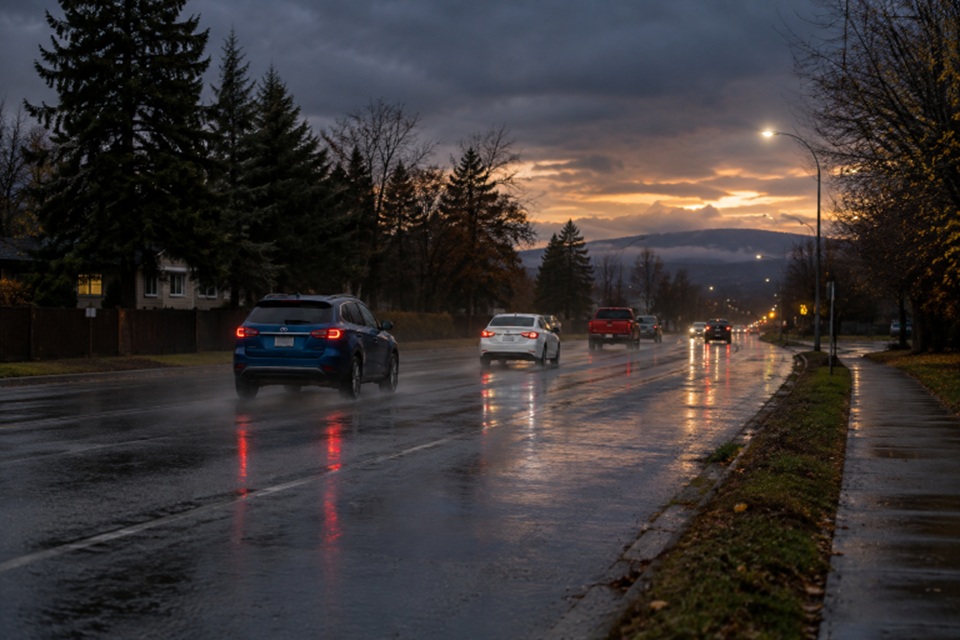
Color contrast can affect how readily a vehicle stands out against pavement, trees, snow, fog, rain, or darkness. Light colors may blend into snowy scenery, while dark colors can disappear more easily against wet pavement or an unlit roadside. Bright or warm colors may stand out in some conditions, but there is no universally safest paint color.
Vehicle visibility is only one part of road safety. Headlights, brake lights, clean windows, proper following distance, speed, weather awareness, and attentive driving matter far more. A useful overview of vehicle color trends also shows how strongly buyer preferences have shifted toward neutral shades, which means visibility and personal style are often competing considerations.
Cleaning & Everyday Appearance
Every color gets dirty, but not every color reveals dirt in the same way. Paint finish, sunlight, local road conditions, and the type of debris matter as much as the color itself.
- White and light neutral shades: Often hide light dust and pollen reasonably well, though dark mud can be obvious.
- Black and very dark shades: Can highlight water spots, swirl marks, fingerprints, and fresh dust.
- Silver and medium gray: Often make light road film and minor surface imperfections less noticeable between washes.
- Tan, bronze, and brown shades: May be practical in dry or dusty areas because they can visually blend with pale dirt.
A careful wash routine matters more than color for preserving appearance. Use clean wash tools, dry the vehicle thoroughly, and inspect the paint in both direct sunlight and in the shade. Fine scratches and uneven gloss can be nearly invisible in one setting and obvious in another.
Color & Resale Value
Color can affect the size of the future buyer pool, but it rarely determines resale value on its own. A vehicle with a clean history, sound maintenance records, reasonable mileage, and good overall condition will usually be easier to sell than a neglected example in a highly popular shade.
Neutral colors often appeal to a wider range of used-vehicle shoppers, while uncommon colors can be more polarizing. That does not make a distinctive color a poor choice. A bright sports car, an off-road truck, or a specialty vehicle may attract buyers who specifically want something less ordinary. The trade-off is that finding that buyer may take longer.
Choosing Your Local Climate
Local conditions can make one color easier to live with than another. Dry regions may bring frequent dust. Wet climates can create water spots and road spray. Snowy areas add slush, salt residue, and long stretches of low-light driving.
- How often will the vehicle be parked outdoors?
- Does your area have dust, heavy rain, snow, or humid summers?
- Will you drive on gravel, job sites, trails, or unpaved roads?
- Do you have shade at home or work?
- How much time do you realistically want to spend washing and detailing?
Inspecting Paint Before Buying
When buying used, the paint condition deserves more attention than the color name on the listing. View the vehicle in natural daylight whenever possible. Check for changes in shade or gloss between panels, overspray near trim, rough paint texture, uneven panel gaps, and chips around door edges or the hood.
Ask whether any body panels have been repainted and review available accident and service records. A well-kept vehicle in an ordinary color is often a stronger purchase than a poorly maintained vehicle in a color you consider ideal.
A Simple Vehicle Color Decision Guide
Before choosing, rate each available color from one to five based on personal appeal, ease of cleaning, heat concerns, visibility in local conditions, availability, and resale flexibility. The highest score does not have to make the decision for you. It simply makes the compromises clear.
Common Questions About Vehicle Color
Does a light vehicle color always stay cooler?
No. Light paint may absorb less sunlight, but glass, interior materials, ventilation, shade, and parking time also influence cabin temperature.
Which colors are easiest to keep clean?
Medium gray, silver, light neutral, and earth-toned shades often conceal everyday dust better than very dark paint. Local conditions can change the result.
Should resale value decide the color choice?
Usually not by itself. Choose a color you will enjoy and maintain, then protect resale by keeping the vehicle clean, documented, and mechanically sound.
Conclusion
Vehicle color is both a practical decision and a personal one. Consider heat, visibility, cleaning needs, climate, and resale, but avoid treating any single factor as decisive. The best color is the one that fits how and where you drive, while still making you happy to see the vehicle in your driveway.
Choosing A Vehicle Exterior Color: Heat, Visibility, Maintenance, & Resale