

- Proper preparation and planning are crucial for a safe hiking experience.
- Wearing appropriate gear and clothing enhances comfort and reduces the risk of injury.
- Staying hydrated and nourished maintains energy levels and prevents health issues.
- Being aware of weather conditions and wildlife ensures a safer hike.
- Carrying essential safety equipment prepares hikers for emergencies.
Embarking on a hiking adventure is not just about the thrill of reaching a summit or exploring a lush forest; it’s also about ensuring your journey is safe and enjoyable from start to finish. Whether you’re a seasoned trekker or a first-time explorer, keeping hiking safety top of mind will help you make the most of your experience. Before setting out, consider exploring the best hiking tours across Utah for expertly guided adventures and hidden gems suited to all skill levels.
Taking thoughtful precautions lets you enjoy the beauty of the wild with peace of mind. With unpredictable conditions and variable terrain, each hike presents its own challenges. Preparation is the critical first step to avoiding mishaps and ensuring a memorable adventure. From choosing the right trail to packing smart, a proactive approach makes all the difference.
Table of Contents
Plan & Prepare Thoroughly
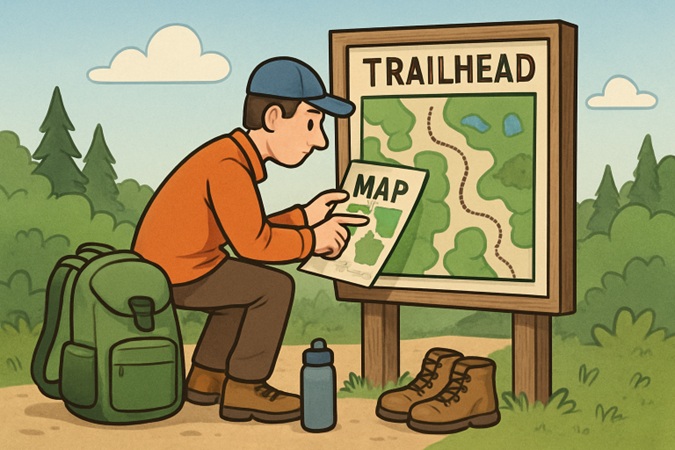
A safe hike begins long before you hit the trail. Begin by researching the difficulty, terrain, and expected weather conditions of your chosen route. Reliable sources like REI Co-op’s Hiking Basics guide provide excellent primers on preparing for the outdoors. Inform a friend or family member of your plans, including your destination and expected return time. This way, someone can alert search and rescue if you encounter trouble and don’t return as planned.
Proactively checking trail updates can help you avoid closures or hazards. Many state and national park websites provide real-time information on trail closures, wildlife activity, and weather alerts. Download a map of your hike and store it offline; cell service can be unreliable in remote areas. Never assume your phone’s GPS alone is enough to carry a physical map and a compass as backup navigation tools.
Wear Appropriate Footwear & Clothing
The right gear protects you from injury and discomfort on the trail. Sturdy, well-fitting hiking boots are an essential investment for foot and ankle protection. Take the time to break them in before any long trek to prevent painful blisters. For clothing, choose moisture-wicking fabrics and dress in layers, so you can adapt to changing temperatures and conditions. Protective outerwear, like a waterproof jacket and hat, shields you from unexpected weather changes. Even on sunny days, UV-protective clothes and sunscreen are vital.
Stay Hydrated & Nourished
Hydration is crucial in any outdoor activity, especially during strenuous hikes or in hot weather. Carry enough water to last the entire hike, and use a hydration reservoir or water bottles for easy access. If your hike will be in a remote area, bring a water-filtration system so you can safely refill from streams or lakes along the way. Pack a variety of high-energy snacks, such as trail mix, energy bars, cheese, and dried fruit, to sustain energy throughout the day. Plan for more food and water than you think you’ll need in case your trek is extended unexpectedly.
Be Weather-Wise
The weather can change quickly, particularly in mountainous or wooded regions. Always monitor weather conditions on the day of your hike and be prepared to adjust your plans if storms or extreme temperatures are predicted. Pack extra layers, even if the forecast is mild. If you observe sudden shifts in the weather, such as darkening clouds or increasing winds, it’s safer to turn back or seek shelter than to push on. Lightning, flash floods, or hypothermia are real dangers and should never be underestimated.
Understand & Respect Wildlife
One of the joys of hiking is observing nature up close, but it requires respect and caution. Maintain a safe distance from all wildlife, even if animals appear calm or accustomed to human presence. Feeding wildlife is not only dangerous but also illegal in many parks, as it can harm both animals and humans. Store all food in secure containers and dispose of waste properly so animals are not attracted to your campsite or resting spot. Learn about the types of wildlife in your hiking area and know what to do in case of an encounter with potentially dangerous species.
Carry Essential Safety Gear
Having the right equipment could save your life in an emergency. Always bring a well-stocked first aid kit, a whistle, a flashlight or headlamp (with extra batteries), and basic repair tools. Navigation aids like a map and compass, as previously mentioned, are crucial if you get lost. Consider including a portable charger for your phone, but never rely on technology alone. Familiarize yourself with how to use each piece of gear before your trip, so you’re prepared if needed.
Practice Trail Etiquette
Responsible trail use benefits everyone. Stay on marked paths to preserve fragile environments and avoid getting lost. Uphill hikers have the right of way, so step aside as you descend. Greet fellow hikers and share trail updates to foster a supportive hiking community. Above all, adhere to the Leave No Trace principles by carrying out all your trash, minimizing campfire impacts, and respecting wildlife and fellow adventurers’ experiences.
Know Your Limits
Honest self-assessment helps prevent accidents and ensures a positive experience. Choose trails that align with your fitness, knowledge, and comfort level. It’s wiser to turn back or rest than to risk exhaustion or injury by pushing too far. Listen to your body when it needs to sleep, eat and hydrate regularly, and don’t be afraid to change plans if something feels off. Hiking is about enjoyment, not endurance at all costs.
By embracing these safety fundamentals, you equip yourself for an unforgettable outdoor adventure with less risk and more reward. Preparation and awareness empower you to explore nature’s wonders safely and responsibly.
Conclusion
Safe hiking begins with preparation, awareness, and respect for both nature and your personal limits. By planning, choosing proper gear, staying mindful of weather and wildlife, and packing essential supplies, every hiker can enjoy the trails with confidence. These simple steps not only reduce risks but also allow you to fully appreciate the beauty and freedom of exploring the outdoors. Whether on a guided adventure or a solo venture, prioritizing safety ensures each hike is a positive, memorable experience. With the right mindset and preparation, you’re ready to embrace the journey one rewarding step at a time.