
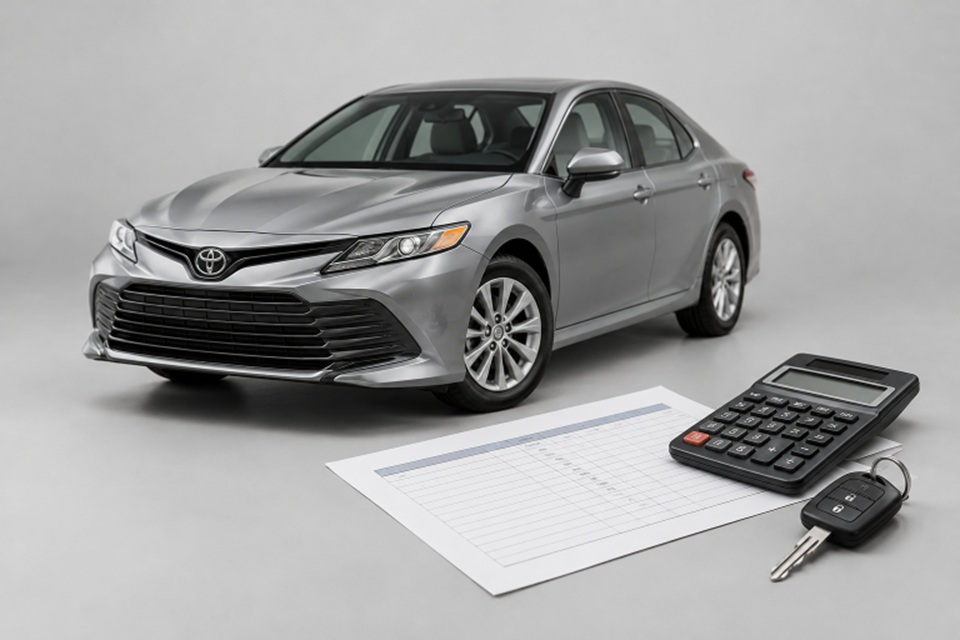

- A low monthly payment can still lead to a costly vehicle purchase.
- Your budget should include insurance, fuel, maintenance, repairs, taxes, registration, and interest.
- A vehicle history report, recall check, test drive, and independent inspection all serve different purposes.
- Comparing out-the-door prices helps expose differences in fees, add-ons, and financing.
- The right used car should fit your Tulsa-area routine and your long-term budget.
Buying a used car in Tulsa can be a practical way to get dependable transportation for work, school, family errands, and weekend drives across northeastern Oklahoma. Before deciding where to buy used cars in Tulsa with easy financing, build your shopping process around the total cost of ownership instead of the payment shown in an ad.
A vehicle that seems affordable at signing can become difficult to manage if it needs tires, brakes, insurance coverage, or repairs shortly after you bring it home. A clearer plan helps you compare vehicles fairly and choose one that supports your day-to-day life without creating unnecessary financial pressure.
Table of Contents
Why The Monthly Payment Is Not Enough
Monthly payments are easy to understand, which is why they often become the center of a car conversation. But they do not tell you the vehicle’s complete price, the amount of interest you will pay, or the expense of keeping it on the road. A longer loan term can lower the monthly payment while increasing the total amount paid over time.
Think in terms of total monthly ownership cost. For example, a $325 payment may look manageable, but the actual monthly cost may also include insurance, fuel for a commute to Broken Arrow or Owasso, routine maintenance, registration, parking, and money set aside for repairs. The payment is only one part of the decision.
Build A Realistic Car Budget
Set a maximum total budget before narrowing your search by year, make, model, or body style. Keep enough money available after the purchase so a normal repair does not immediately become an emergency.
- Down payment or cash purchase amount
- Expected monthly loan payment
- Insurance quote for the exact vehicle
- Fuel or charging costs based on your typical mileage
- Oil changes, tires, brakes, and scheduled maintenance
- Unexpected repair reserve
- Sales tax, title, registration, and documentation charges
- Parking, tolls, roadside assistance, or work-related driving costs
It is wise to leave room in the budget for the first few months of ownership. A battery, tire replacement, or worn brake component can cost money even when the vehicle appears clean and drives well during a short test drive.
Match The Vehicle To Your Daily Needs
Tulsa drivers may need a car for downtown commuting, school drop-offs, job sites, highway travel, or trips around Green Country. Start with how you actually use a vehicle rather than buying the largest or most heavily equipped option available.
- How many miles will you drive in a normal week?
- Will you regularly carry children, passengers, pets, tools, or sports gear?
- Do you need cargo space, easy parking, fuel efficiency, or highway comfort most?
- Will you tow, travel on unpaved roads, or need extra ground clearance?
- Is all-wheel drive necessary for your usual driving conditions?
Buying more vehicle than you need can increase fuel, tire, insurance, and maintenance expenses. At the same time, a vehicle that is too small for your work or family needs may force another purchase earlier than expected.
Check History, Title, & Recalls
Before committing to a vehicle, match the vehicle identification number (VIN) on the dashboard, driver-side door area, title, and other paperwork. Review the title status, mileage history, prior ownership details, reported accidents, and available service records.
Look carefully for salvage branding, flood-related warning signs, odometer inconsistencies, or repeated damage entries. A history report can be helpful, but it cannot confirm that every accident, repair, or mechanical issue was reported.
Also check whether the vehicle has unresolved safety recalls. The VIN recall search can show whether a specific vehicle needs a recall repair, although newly announced recalls and some older recall information may be limited. Complete this check close to the purchase date.
Inspect & Test-Drive The Vehicle
Start With The Exterior & Interior
Walk around the car in daylight when possible. Watch for mismatched paint, uneven body panels, rust, cracked lights, damaged glass, and uneven tire wear. Inside, test the air conditioning, heat, windows, locks, lights, audio system, cameras, and dashboard warning lights. Check for water stains, damp carpet, strong odors, or unusually worn controls.
Take A Meaningful Road Test
Drive on neighborhood streets and faster roads if the seller allows it. Pay attention to steering response, braking, acceleration, transmission shifts, ride quality, and unusual noises. A good test drive should include turns, stops, parking, and speeds similar to your normal driving routine in Tulsa.
Ask for an independent mechanical inspection before signing. The Federal Trade Commission notes that a vehicle history report does not replace an independent inspection of a used car, because history reports may not reveal mechanical problems.
Review Financing Carefully
Compare financing offers before you visit a seller when possible. Banks, credit unions, and other lenders may offer different annual percentage rates, loan lengths, down-payment requirements, and total finance charges. Keep the vehicle price, trade-in value, down payment, and financing terms separate while negotiating.
For example, two loans may have similar payments if one stretches repayment over a longer period. Ask for the total of payments, not just the monthly amount. Review any optional products and fees individually, and request clarification in writing before you sign.
Compare The Final Cost
Compare at least two or three similar vehicles before making a choice. Use a notes app or printed worksheet, then list the following for each option:
- Out-the-door price
- Monthly payment, APR, loan term, and total of payments
- Insurance estimate
- Expected fuel cost for your driving habits
- Tire condition and maintenance needs
- Inspection findings and likely near-term repairs
- Title, history report, and recall results
- How well the vehicle fits your passenger, cargo, and commuting needs
The cheapest advertised listing is not automatically the lowest-cost choice. A slightly higher-priced vehicle with better maintenance records, sound tires, and fewer immediate needs may be the more sensible purchase.
Use A Final Buyer Checklist
- Set a total ownership budget rather than just a payment target.
- Get an insurance quote for the specific vehicle.
- Verify the VIN and title information.
- Review available history and service records.
- Check for open safety recalls.
- Inspect the exterior, cabin, tires, and engine area.
- Complete a thorough test drive.
- Arrange an independent inspection.
- Request the out-the-door price in writing.
- Read the Buyer’s Guide, warranty terms, and finance contract before signing.
Conclusion
A smart used-car purchase in Tulsa comes from careful comparisons, clear numbers, and patience. Choose a vehicle that fits your routine, leaves room in your budget for ownership costs, and has been checked beyond its appearance. A manageable monthly payment can be useful, but it should never hide the full cost of the car you are bringing home.