
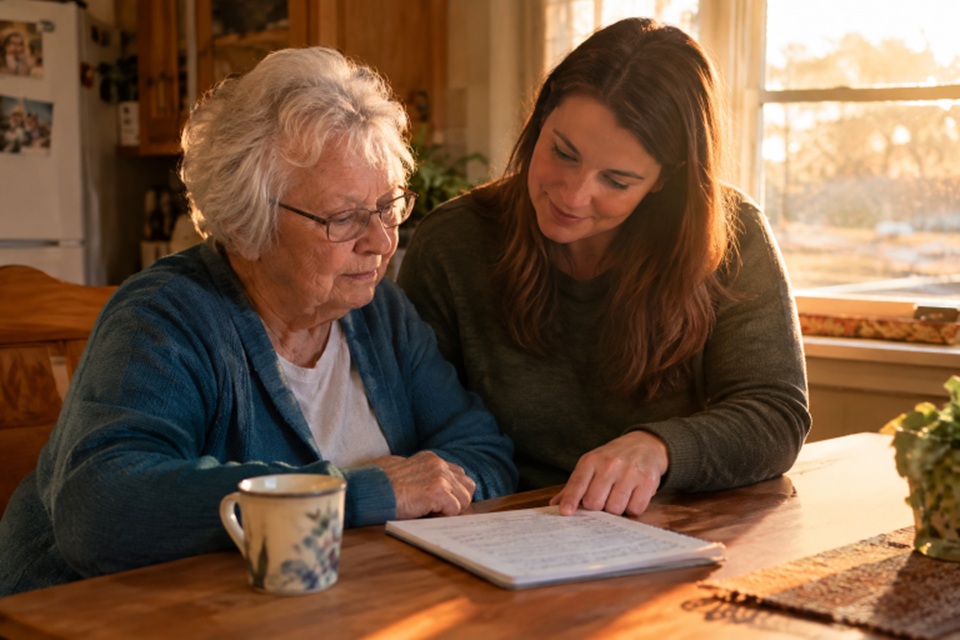

- Home care may need to change when safety risks, medical needs, or caregiver strain increase.
- Added help at home can work well for some people, but it may not cover round-the-clock or unpredictable needs.
- Assisted living, memory care, skilled nursing, respite care, and home health services each serve different purposes.
- A written review of one full day and night can reveal gaps that are easy to miss during a busy week.
- Planning before a crisis gives families more time to compare services, costs, routines, and communication practices.
For many Sapulpa families, supporting an older adult at home begins with simple help from relatives, neighbors, or paid caregivers. Over time, however, a fall risk, changing memory, missed medications, or overnight needs can make the existing plan less safe. Exploring options, including a trusted nursing home in Sapulpa OK, can be a practical step toward matching care with a loved one’s real daily needs.
Table of Contents
Why This Decision Feels So Difficult
Families often postpone a care decision because the changes happen gradually. A loved one may still enjoy familiar routines, want to remain in a longtime home, and appear capable during a short visit. At the same time, family members may feel guilt, grief, or concern that more support will reduce independence. In many cases, the goal is the opposite: the right level of help can preserve comfort, dignity, nutrition, social contact, and safety.
In Sapulpa and nearby communities, the decision can also involve travel between homes, medical appointments, work schedules, and family members living elsewhere in the Tulsa area. A plan that relies on a single exhausted caregiver or assumes someone can always arrive quickly may become fragile when an illness, storm, work conflict, or emergency arises.
Signs The Current Care Plan May Not Be Enough
Track concerns over several days or weeks rather than relying on a single difficult moment. A care review is especially important when any of the following patterns appear:
- Frequent falls, near-falls, bruises, or trouble moving safely through the home.
- Missed medications, duplicate doses, or confusion about prescriptions.
- Difficulty bathing, dressing, eating, using the bathroom, or managing incontinence.
- Unsafe cooking, leaving doors unlocked, wandering, or trouble using appliances.
- Weight loss, dehydration, spoiled food, or unpaid bills that were previously managed well.
- Repeated emergency room visits, hospital stays, or new medical equipment needs.
- Nighttime confusion, agitation, sleep disruption, or a need for frequent reassurance.
- Caregivers losing sleep, missing work, or feeling unable to provide essential care safely.
Start With A 24-Hour Care Review
Do not evaluate care based only on the hours when a family member or aide is present. Write down what happens from waking through bedtime, then include overnight needs. Note who helps with meals, hygiene, mobility, transportation, medications, appointments, and emotional support. Mark tasks that require hands-on assistance, clinical judgment, or rapid response.
The most important question is simple: where are the gaps? If a person is alone during periods when falls, confusion, wandering, or medication errors are most likely, the arrangement may need more than a few additional visits.
Compare The Main Care Options
More Help At Home
Personal care and companionship may be suitable when someone can remain safe at home with help for bathing, dressing, meals, errands, transportation, and reminders. This option becomes harder to manage when needs are constant, overnight supervision is necessary, or emergencies are frequent.
Home Health Care
Home health care is different from ongoing personal care. It can involve skilled nursing, therapy, medical social services, and limited home health aide support when eligibility requirements are met. Medicare explains that home health services can include intermittent skilled care and therapy, but they do not replace 24-hour supervision or stand-alone help with daily living tasks.
Assisted Living & Memory Care
Assisted living may suit people who need regular help with daily activities but do not require continuous skilled nursing. Memory care may be a better fit when dementia creates substantial concerns related to wandering, unsafe decisions, communication, nighttime confusion, or resistance to care. A diagnosis alone does not determine the setting. The person’s abilities, risks, routines, and need for supervision should guide the decision.
Skilled Nursing & Respite Care
Skilled nursing care may be appropriate when a person needs ongoing clinical monitoring or more complex medical support. It can also be used for rehabilitation after an illness, injury, or hospital stay. Families should understand that Medicare coverage for nursing home care depends on the type of care and the circumstances, so it is important to ask providers and insurers about likely out-of-pocket costs. Respite care can give family caregivers a planned break and may help a loved one experience a residential setting before making a longer-term move.
How To Compare Costs In 2026
Compare the full monthly cost, not just an hourly caregiver rate or a community’s base room price. Include meals, transportation, medication assistance, supplies, overnight coverage, added care levels, and backup care when a family caregiver is unavailable. Review private savings, long-term care insurance, Medicaid eligibility, veterans benefits, and other available assistance. Ask every provider which services cost extra and what the financial implications are if care needs increase.
Questions To Ask During A Care Tour
- What level of personal and medical support can you provide today?
- How do you respond when a resident’s needs change suddenly?
- What training do caregivers receive, especially for dementia and fall prevention?
- How are medications, falls, emergencies, and hospital transfers handled?
- How often are care plans reviewed with residents and families?
- How will the team communicate updates to family members?
- Which services are included, and which have additional fees?
- What situations could require a move to another care setting?
Build A Simple Decision Scorecard
After each phone call or tour, rate each option from 1 to 5 for safety, medical support, personal care, staff availability, location, social connection, family communication, total cost, and ability to meet future needs. Add written notes beside each rating. A low score in one critical area, such as overnight supervision or medication management, may matter more than an attractive building or convenient location.
Talking With A Loved One About More Support
Choose a calm moment, not the hours immediately after an emergency. Use specific observations, such as a recent fall or missed medication, rather than broad statements about what the person can no longer do. Ask what feels difficult or unsafe from their point of view. Present more than one option when possible, invite a trusted doctor or social worker into the conversation if helpful, and expect the discussion to take more than one meeting.
A Practical Next-Step Checklist
- Track care needs for at least one week, including nights.
- Schedule a medical review if health, mobility, or memory has changed.
- List current paid costs and unpaid family caregiving hours.
- Identify several care options that may fit the person’s needs.
- Ask each provider the same questions and compare the answers.
- Review contracts, care plans, policies, and total costs before deciding.
- Create a backup plan in case the current arrangement stops working suddenly.
Conclusion
Choosing more support is not a sign that a family has failed. It is a decision to adjust the care plan to the person’s current needs. By reviewing daily risks, carefully comparing care options, and involving the right professionals, Sapulpa families can make a more informed and compassionate choice for the road ahead.