

Key Takeaways:
- Sustainable weight management relies on repeatable habits, not extreme rules.
- Food choices, movement, sleep, stress, and medical factors can all influence progress.
- Progress can include improved stamina, strength, waist measurements, and health markers, not only scale weight.
- Medical treatment may be helpful for some people, but it requires individualized clinical oversight.
- Maintenance habits should begin before a target weight is reached.
Weight management looks different for every person in Tulsa, Oklahoma. Work schedules, family meals, hot summers, changing routines, health conditions, and access to support can all affect progress. Rather than chasing a strict diet that only works for a few weeks, a plan for physician supervised medical weight loss in Tulsa can combine realistic nutrition, activity, accountability, and medical guidance when appropriate.
The goal is not perfection or a particular number on the scale. A useful plan supports energy, strength, mobility, and long-term health while leaving room for restaurant meals, celebrations, travel, and difficult days.
Table of Contents
Why Many Weight-Loss Plans Fail
Plans often fail because they demand more than real life can support. Sudden calorie cuts, punishing workouts, and rules that label every meal as a success or failure can be difficult during busy workweeks or family obligations. Scale changes can also reflect hydration, sodium intake, digestion, hormonal changes, and other short-term factors. A better approach focuses on patterns that improve health and can be resumed after an imperfect day.
How To Set Realistic Goals
Outcome goals, such as losing a certain amount of weight, can provide direction. Process goals are the actions that make progress more likely, such as packing lunch three days per week, walking after dinner, or completing two strength sessions weekly.
Simple Goal-Setting Steps
- Choose one health goal and one behavior goal.
- Make each action specific and measurable.
- Start with habits that remain possible on a hard day.
- Review what is working every two to four weeks.
- Adjust the plan instead of giving up on it.
How To Build Balanced Meals
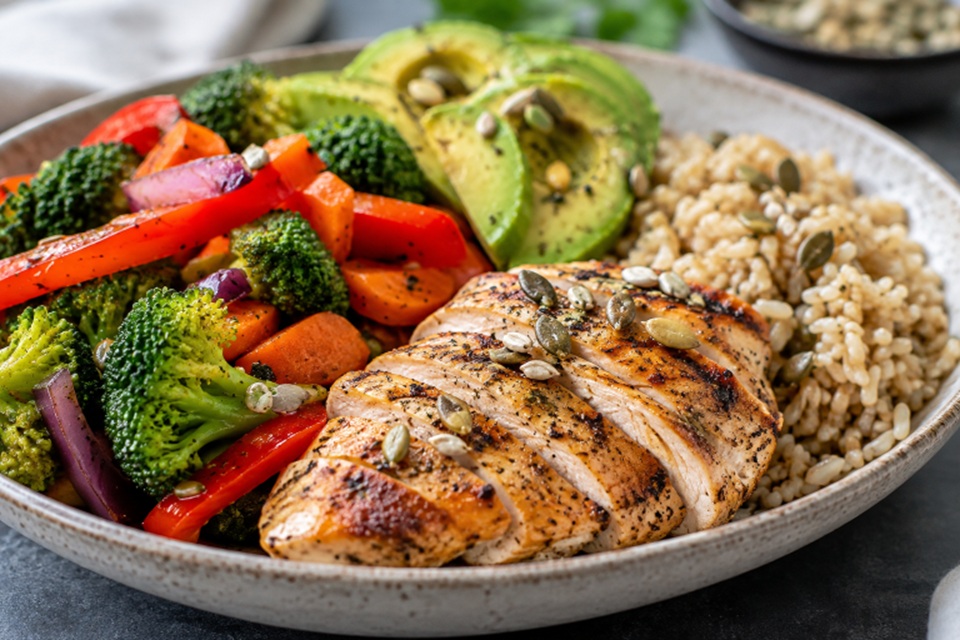
Balanced meals can make hunger more manageable without requiring constant food tracking. Build most meals around protein, fiber-rich carbohydrates, vegetables or fruit, and a modest source of fat. For example, choose grilled chicken with beans and vegetables, Greek yogurt with berries and nuts, or tofu with brown rice and stir-fried vegetables.
A Simple Plate Formula
- Half the plate: Vegetables or fruit.
- One-quarter: Protein, including eggs, fish, poultry, beans, lentils, tofu, or lean meat.
- One-quarter: Whole grains, beans, potatoes, or another fiber-rich carbohydrate.
- Add: Foods such as olive oil, avocado, seeds, or nuts in portions that fit your needs.
Portion awareness is useful, but foods do not need to be sorted into “good” and “bad” categories. Drinking water regularly can also help support hydration, particularly during Tulsa’s warmer months or when activity increases.
How To Add Movement Without Burning Out
Walking at a local park, cycling, swimming, yardwork, household activity, and strength training can all count. Begin with short sessions, then add time or intensity gradually. Adults are generally advised to include aerobic activity and muscle-strengthening work each week, but the best starting point depends on fitness level, limitations, and schedule.
Break up long periods of sitting with brief movement breaks. Strength training is particularly valuable during weight loss because it supports muscle function and everyday tasks. Anyone with chest symptoms, severe joint pain, an injury, heart disease, or another condition affecting exercise choices should ask a healthcare professional for individualized guidance.
The Role Of Sleep & Stress
Poor sleep can affect energy, appetite, food choices, and workout recovery. Stress may lead to skipped meals, emotional eating, or less activity. Practical supports include a consistent bedtime, fewer late-night screens, a short walk, breathing exercises, journaling, social support, and a schedule that does not depend on willpower alone.
Where Medical Options May Fit
Some people benefit from medical support when lifestyle changes alone have not produced adequate results or when weight is connected with conditions such as diabetes, high blood pressure, sleep apnea, or joint pain. A clinician can review health history, current medications, potential benefits, risks, side effects, and follow-up needs.
Prescription treatment differs from over-the-counter products, supplements, and unregulated online offerings. Medication should complement adequate nutrition, activity, sleep, and monitoring rather than replace them. Recent expert guidance on GLP-1-based therapies also emphasizes nutrition, physical activity, and continued support throughout treatment. Do not start, stop, or change a prescription without medical guidance.
How To Track Progress & Handle Setbacks
Use more than daily scale readings. Track weekly weight trends, waist or hip measurements taken under similar conditions, walking distance, strength, sleep quality, energy, hunger, and relevant health markers reviewed by a clinician.
When progress stalls, pause before reacting. Identify what changed, separate one difficult day from a longer pattern, and return to one or two basics. For example, after a demanding work period, restart with a 15-minute lunch walk and two short strength workouts instead of attempting daily gym sessions.
How To Create A Maintenance Plan
Maintenance begins before the goal weight. Keep the meals, movement, and check-ins that helped create progress, while planning for weekends, holidays, travel, and restaurant meals. Hunger, activity, and calorie needs can change over time, so flexibility matters. If weight begins trending upward, address it early with small adjustments instead of extreme restriction.
Questions Readers May Have
Is calorie counting required?
No. Tracking can help some people, while others do better with meal structure, portion awareness, hunger cues, and consistent routines.
Can weight change without formal exercise?
Nutrition changes can affect weight, while physical activity supports cardiovascular health, strength, mobility, mood, and long-term maintenance.
When should someone speak with a healthcare professional?
Seek guidance for unexplained weight changes, persistent fatigue, medication concerns, pregnancy, eating-disorder symptoms, severe pain, or health conditions affected by weight.
Conclusion
A sustainable Tulsa weight-management plan is built from practical choices that work during ordinary weeks and imperfect ones. The strongest plan is not the most restrictive. It is the one that supports health, fits daily life, and can be adjusted for the long term.
Sustainable Weight Management In Tulsa, Oklahoma: A Practical Plan For Lasting Change