

Key Takeaways:
- Trees provide numerous health benefits, including improved air quality and mental well-being.
- Urban tree planting initiatives can reduce heat islands and promote physical activity.
- Community involvement is crucial for the success of urban forestry programs.
Table of Contents
Introduction
Concrete structures and busy roads often define urban landscapes, but trees are essential to a healthy, livable city. Trees play a unique role in urban environments, contributing to environmental, mental, and social well-being. Extensive studies point to the crucial benefits that well-maintained urban forests bring to people’s lives. For homeowners and community leaders, consulting ISA certified arborists in Utah can make urban greening efforts more successful by ensuring trees are appropriately selected and cared for.
As urban populations continue to grow, the deliberate planting and preservation of trees can help cities become more resilient. Not only do these green spaces improve air quality, but they also create gathering spots, encourage outdoor activity, and foster a sense of belonging among residents. The interplay between greenery and the built environment is crucial in shaping urban identity. Trees can frame city streets, provide privacy, and soften otherwise harsh landscapes. Their seasonal changes also bring dynamic beauty and mark the passage of time in ways that resonate with city dwellers. As cities evolve, integrating trees into new developments provides an essential link between nature and urban life, fostering healthier, more balanced communities.
Health Benefits Of Trees
Living near trees and green spaces has been linked to lower stress levels and improved mental health. The simple act of spending time in shaded parks or tree-lined streets can reduce anxiety, promote relaxation, and enhance mood. Notably, trees help filter airborne pollutants such as particulate matter and nitrogen dioxide, making the air healthier to breathe. The United States Environmental Protection Agency has found that increasing tree canopy can help remove millions of tons of air pollutants each year, thereby contributing directly to public health. Trees also influence physical health by encouraging outdoor activities. Shaded walkways promote walking and cycling, reducing heat-related illnesses by providing relief from urban heat islands. For children and older adults, especially, access to green spaces supports physical activity and reduces risks associated with sedentary lifestyles. Increasing urban greenery may also help build healthier relationships within communities. Research has indicated that access to parks and treescapes can reduce feelings of social isolation, encourage neighborhood interaction, and promote collective well-being. Children who grow up near green spaces are more likely to develop healthy habits that persist into adulthood, underscoring the multi-generational impact of urban forestry.
Urban Tree Planting Initiatives
Cities across the country are acknowledging the economic, social, and health advantages of urban tree planting. Local governments and non-profits are launching major tree-planting campaigns with quantified goals. Dunwoody, for example, has earned the Tree City USA designation for 14 consecutive years, a testament to its ongoing leadership in urban forestry. Ongoing maintenance and proper species selection are prioritized in these programs, which is why professional expertise is often sought to ensure long-term success. Urban forestry programs do more than add beauty to neighborhoods. They lower cooling costs, reduce noise pollution, provide habitats for wildlife, and strengthen cities against flooding and heat waves. In the face of climate change, urban tree initiatives have become cornerstones of resilience planning. The success of these programs is often highlighted by their capacity to unify communities and deliver lasting environmental gains. Effective urban tree planting also requires thoughtful policy and funding mechanisms. Municipal codes, grants, and incentives are increasingly used to support long-term care of trees beyond the first few years of planting. Cities are piloting programs to update outdated infrastructure and remove barriers that prevent the growth of healthy, mature trees. These coordinated approaches enable urban tree canopy to flourish even in the densest areas, bridging the gap between environmental goals and practical implementation.
Community Involvement In Urban Forestry
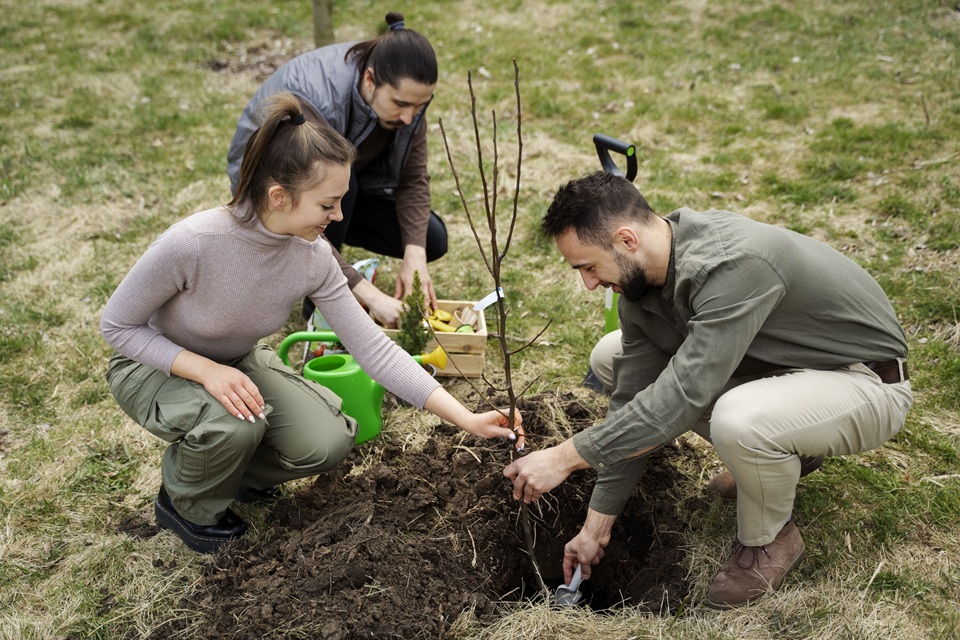
Effective urban forestry depends on the active participation of residents. In many cities, residents volunteer to plant and care for trees, ensuring their neighborhoods become greener and healthier. Newport, Rhode Island, offers a compelling example of grassroots involvement. Volunteers in Newport have focused their tree-planting efforts on traditionally underserved communities, planting native species and building support for stewardship. Their collaborative effort has led to a measurable expansion of the urban tree canopy, creating a more equitable and thriving environment for all residents.
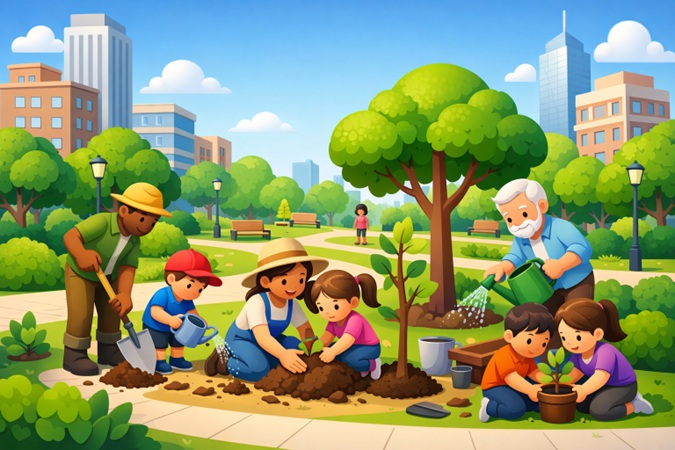
Engaging community members is essential to fostering a sense of ownership and responsibility for the urban forest. Educational programs, neighborhood planting days, and accessible resources help mobilize residents, inspire lasting partnerships, and create a greener future. Involving youth in urban forestry is another powerful strategy. School programs that include tree planting and care foster environmental stewardship and leadership skills from an early age. Intergenerational activities, where families and older adults join children in greening neighborhoods, help knit communities together and ensure continued support for urban forest projects. This shared investment in local ecology strengthens the resilience of both people and the landscape itself.
Case Studies
Across North America, cities have devised innovative approaches to expand their tree inventories. In Phoenix, the Urban Nature program analyzes neighborhood needs and prioritizes areas most affected by heat for new plantings. The city has partnered with schools, businesses, and local groups to offer guidance and resources to foster widespread support. In Philadelphia, the Deeply Rooted initiative aims not only to plant trees but also to revitalize neglected lots, planting more than 1,000 trees and transforming these spaces into green community assets. Both programs feature robust community engagement, partnerships with environmental organizations, and a strong focus on measurable outcomes. Toronto’s “Every Tree Counts” strategy highlights another comprehensive approach. The city tracks the progress of its urban forest goals through data-driven monitoring, transparent reporting, and open collaboration with neighborhood associations. By combining high-tech tools with grassroots advocacy, Toronto’s urban forestry effort has become a model for other cities seeking to balance development with ecological preservation.
Conclusion
Urban trees deliver a wide range of health, economic, and social benefits, making them fundamental to sustainable and vibrant cities. As more urban leaders and residents recognize the value of urban forestry, investments in tree planting are becoming priorities. With community involvement, well-planned strategies, and professional support, cities can reap the rewards of greener, healthier environments for generations to come. The continued integration of trees in city planning will remain essential as urban areas face environmental, economic, and social challenges. By embracing multifunctional green spaces and supporting local stewardship, cities can build stronger, more adaptable communities grounded in the restorative power of urban forests.