
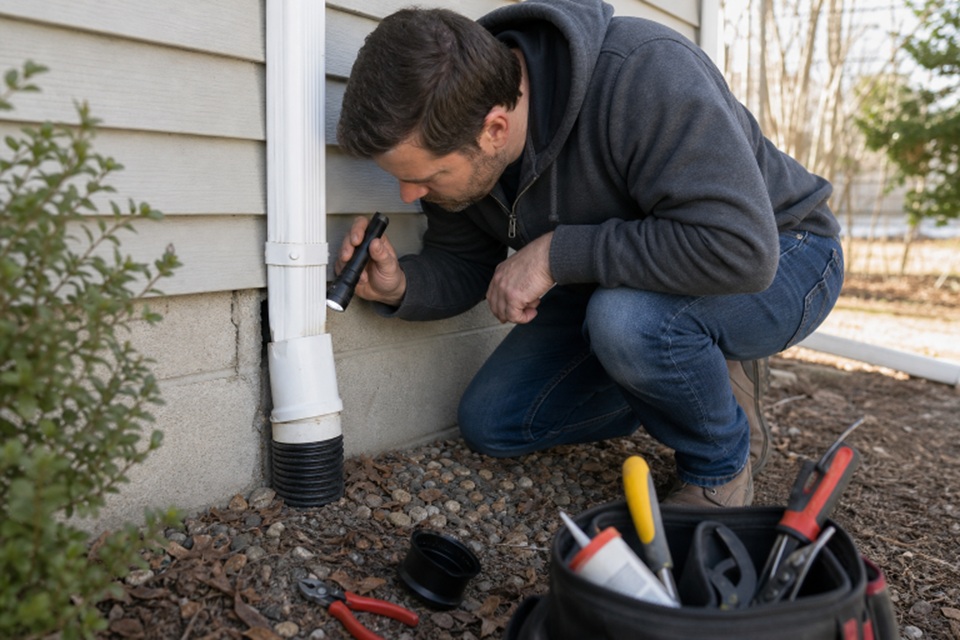

Pest prevention often begins with ordinary home maintenance. A loose door sweep, cracked vent cover, or small opening around a pipe can give insects and rodents an easy path indoors. Finding those weak spots early helps protect food storage, reduce moisture problems, and make your home less inviting before pest activity becomes harder to manage.
Homeowners can handle many basic inspections and minor repairs themselves, while a qualified pest control company can help investigate recurring activity, inaccessible areas, or pest-specific concerns. The most reliable approach combines exclusion, sanitation, moisture control, and careful monitoring.
Table of Contents
Why Pest Entry Points Matter
A small crack is not always a small problem. Pests look for predictable needs, including food, water, warmth, and protected nesting areas. Once they find a dependable route, they may use it repeatedly. Removing a visible insect or setting a trap can address the immediate sighting, but it may not close the route that allowed the pest inside.
Integrated pest management principles emphasize prevention, monitoring, accurate identification, and targeted control instead of relying on routine pesticide use. In a home, the process starts with closing entry points and correcting the conditions that attract pests.
Where To Look First
Use a flashlight and inspect from the outside in. Start where materials meet, such as siding and foundation, trim and windows, or pipes and exterior walls. Then follow the same areas indoors, especially in utility rooms, cabinets, storage spaces, and unfinished parts of the house.
- Walk the foundation line and look for cracks, gaps, and damaged vents.
- Check exterior doors, windows, screens, and garage seals.
- Inspect openings around utility lines, plumbing pipes, and air-conditioning lines.
- Look along rooflines, eaves, soffits, chimneys, and attic vents.
- Check under sinks, behind appliances, and inside basements, crawl spaces, and attics.
The places the CDC recommends checking for gaps include doors, windows, foundations, roof areas, vents, and openings around electrical, water, gas, and sewer lines.
Common Entry Points Around The Home
Doors & Windows
Worn weatherstripping, damaged window screens, loose trim, and gaps beneath exterior doors are common trouble spots. Check whether daylight is visible around a closed door, particularly near the threshold and corners. A garage door that does not sit evenly against the floor can create another easy access point.
Utility Lines & Plumbing
Openings around cable lines, pipes, wiring, and exterior HVAC connections are easy to overlook. Indoors, check beneath kitchen and bathroom sinks, behind washers, around water heaters, and near furnace connections. Pests may travel through wall voids and emerge near these penetrations.
Vents, Rooflines, & Attics
Loose soffits, damaged fascia, uncapped chimneys, torn screens, and broken dryer or bathroom vent covers can lead directly into upper areas of the home. Any screening added to a vent should allow proper airflow and be securely fastened.
Foundations, Crawl Spaces, & Outdoor Structures
Examine foundation cracks, crawl-space skirting, gaps around decks and steps, and openings where siding meets the ground. Do not forget sheds, detached garages, and storage buildings. Activity in an outbuilding can create pest pressure near the house.
How To Seal Gaps & Openings
Match the repair material to the size, location, and likely pest. Before sealing, remove loose debris and make sure the area is dry enough for the product to bond correctly. For active rodent or insect activity, inspect for the broader source before permanently closing an opening.
- Use exterior-grade caulk for narrow cracks and fixed seams around trim, windows, and foundations.
- Replace flattened door sweeps and damaged weatherstripping.
- Use metal mesh, hardware cloth, metal flashing, or cement for larger holes and areas rodents could chew through.
- Cut repair materials carefully around pipes so no open edge remains.
- Confirm that screened vents, drains, and exhaust covers still function as intended.
- Recheck repairs after heavy rain, high winds, or major temperature changes.
Spray foam can help fill some voids, but it is usually not enough by itself for a larger rodent entry point. A durable physical barrier is often the better long-term repair.
Remove Food, Water, & Shelter
Sealing works best when pests have fewer reasons to remain nearby. Store pantry items and pet food in tightly sealed containers, clean crumbs and grease promptly, and empty trash regularly. Repair dripping faucets, leaking pipes, and outdoor spigots, since moisture can support many pest problems.
Outside, remove standing water from containers and clogged gutters, trim vegetation away from walls and rooflines, and move firewood, brush, and dense debris away from the foundation. Reducing clutter in garages, basements, attics, and closets also removes protected hiding and nesting areas.
Build A Seasonal Inspection Routine
A brief inspection four times a year makes repairs more manageable and helps catch seasonal changes before they become access routes.
- Spring: Check for winter damage, foundation movement, torn screens, damp areas, and damaged roof vents.
- Summer: Watch for standing water, ant trails, stinging insect activity, and vegetation contacting the structure.
- Fall: Inspect door sweeps, garage seals, attic openings, and firewood storage before cooler temperatures drive pests toward shelter.
- Winter: Look indoors for droppings, gnaw marks, shed skins, unusual odors, or scratching sounds in walls and ceilings.
When To Seek Professional Help
Repeated sightings in the same location, fresh droppings, nesting material, structural damage, or activity inside walls may point to a problem beyond a simple gap. Rodents, termites, bed bugs, and stinging insects each require different inspection methods and treatment decisions.
Seek help when pests are active in attics, crawl spaces, wall voids, electrical areas, or other inaccessible locations. Avoid disturbing wasp nests, contaminated rodent materials, or suspected termite damage. Ask what areas will be inspected, which repairs are recommended, and how follow-up activity will be evaluated.
Common Questions
How small a Gap Can Let Pests Inside?Some pests need very little space. Mice can fit through an opening about one-quarter inch wide, roughly the width of a pencil. Small insects may use even narrower cracks around trim, pipes, and windows.
Should Every Crack Be Filled With Spray Foam?No. Foam may be useful in certain locations, but it can be chewed or damaged. Use caulk for small seams, door sweeps for thresholds, and metal mesh, hardware cloth, mortar, or flashing where a stronger barrier is needed.
Does Seeing One Pest Always Mean There Is an Infestation?Not necessarily. A single insect may wander indoors by chance. Repeated sightings, damage, droppings, nesting material, or activity at the same entry point are stronger signs that more investigation is needed.
Is Sealing Entry Points Enough?Sealing is a major step, but it works better alongside good sanitation, moisture control, clutter reduction, and routine inspections.
Should Pesticides Be the First Step?Start by identifying the pest and locating the conditions that support it. If a pesticide is needed, use only a product labeled for that pest and location, and follow every label direction.
Final Takeaway
Preventing pests is often a matter of closing small gaps and maintaining the home consistently. A tight door sweep, sealed pipe opening, dry foundation area, and clean storage space can remove several opportunities at once. Seasonal inspections help keep those protections in place and reveal when professional guidance is needed.
How To Find & Seal Common Pest Entry Points Around Your Home