

Key Takeaways:
- Choose packaging around the formula, not appearance alone.
- Plan for exposure to light, oxygen, heat, handling, and shipping movement.
- Evaluate the container, closure, label, and carton as one system.
- Use dispensing features that match the product’s intended use.
- Reduce unnecessary material without reducing product protection.
- Test filled samples under realistic conditions before approving a large order.
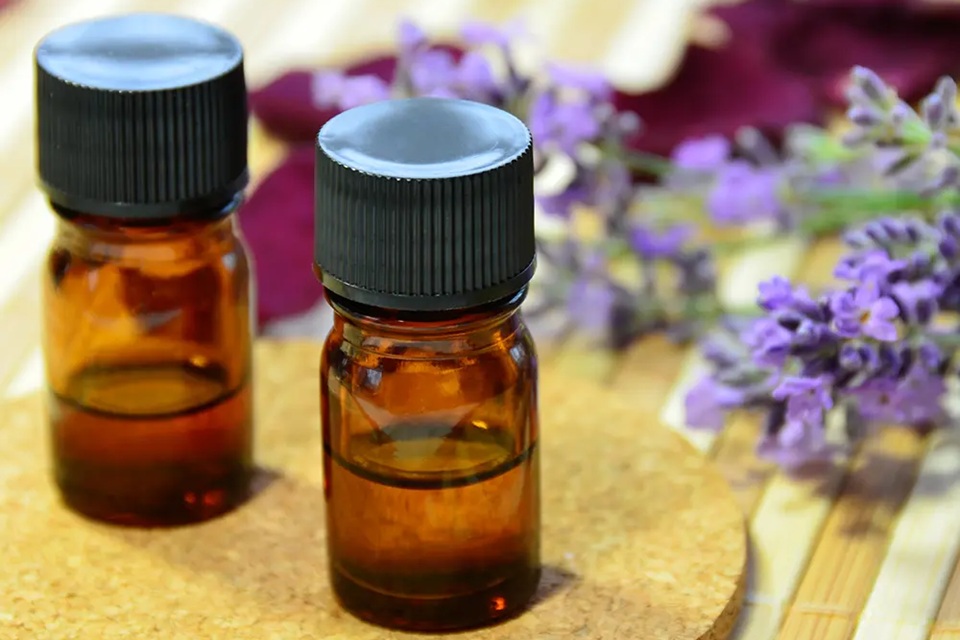
Essential oil packaging has to do more than look polished on a retail shelf. It needs to preserve the formula, dispense it cleanly, survive shipping, support appropriate safety information, and fit the way customers actually use the product. Comparing glass bottles for essential oils with other container options is a useful starting point, but the best choice ultimately depends on the formula and the overall packaging system.
A bottle, cap, insert, label, carton, and shipping materials all affect the final customer experience. A beautiful container can still create problems if the closure leaks, the label lifts after contact with oil, or the package breaks in transit. Thoughtful packaging decisions made before production can help prevent avoidable product loss, returns, and customer frustration.
Table of Contents
Why Packaging Decisions Matter More Than They Seem
Essential oils often contain volatile compounds, so a package can influence how well the product holds up over time. A review of essential oil stability research identifies temperature, light, and oxygen availability as important factors affecting oil integrity. Packaging cannot eliminate every storage risk, but it can limit unnecessary exposure and help keep the product contained.
Performance matters after purchase as well. For example, a dropper that seeps around the cap can leave an oily residue on the bottle and damage nearby labels or cartons. A label adhesive that is not suited to oil contact may peel during normal handling. These are small issues individually, but they can make a product feel unreliable.
Start With The Formula
Begin with what is inside the package. Pure essential oils, diluted blends, fragrance oils, cosmetic serums, roll-ons, water-based products, and alcohol-based sprays can behave very differently. Review the formula’s viscosity, volatility, solvent content, acidity, fill volume, and intended application before selecting a bottle or closure.
Thin, fast-flowing liquids may need an orifice reducer or another dispensing control to prevent overpouring. Thicker blends may require a larger opening, a pump, or a roller-ball format that allows the product to flow as intended. Water- or alcohol-containing formulas also warrant compatibility checks with plastic components, liners, labels, and spray mechanisms.
Match The Container To The Product
Common Material & Format Choices
- Glass: Often chosen for its appearance, barrier performance, and compatibility with many oil-based formulas.
- Plastic: Lightweight and less prone to breakage, but it should be tested with the actual formula and closure components.
- Metal: Can provide strong light protection, although interior coatings and closure compatibility need review.
- Roll-on containers: Support controlled topical application for products formulated and labeled for that use.
- Dropper containers: Suit products where users need small, deliberate amounts.
- Spray containers: Work best for formulas designed to atomize or mist properly.
Do not assume that containers with similar dimensions perform the same way. Neck finish, thread design, liner material, cap torque, and the fit of an insert can all influence leakage and dispensing.
Control Light, Oxygen, & Heat
Tinted or opaque packaging can be useful when light exposure is a concern. Minimize unnecessary headspace where practical, since the empty space above the product contains air. Storage conditions also deserve attention: direct sunlight, high-heat areas, and long delivery routes can place added stress on a package and its contents.
Use realistic testing conditions rather than relying only on a short countertop trial. Filled samples can be reviewed after warm and cold storage, repeated opening and closing, and time spent in the intended shipping configuration. Good packaging supports sound storage practices; it does not replace them.
Choose A Closure That Supports Safe, Clean Use
Closures should make dispensing predictable and keep the product secure between uses. Droppers can provide controlled application, orifice reducers can limit flow, roller balls can simplify topical use, and sprayers can distribute a mist. Simple screw caps may be appropriate when customers do not need an integrated applicator.
Tamper-evident features can show whether a package has been opened before purchase. Where applicable, child-resistant packaging should be considered early rather than added as an afterthought. The Poison Prevention Packaging Act guidance explains that certain household substances must be packaged in child-resistant containers. Child-resistant does not mean child-proof, so safe storage remains essential.
Design For The Way Customers Use The Product
A package should fit the use case. Single-use samples benefit from compact, spill-resistant formats. Daily-use products should be comfortable to open and close without leaving residue. Larger professional-use containers may require faster dispensing, while travel products need dependable leak resistance during pressure changes and rough handling.
For instance, a dropper bottle may work well for a customer using small amounts at home, while a roll-on package can provide more controlled topical application. Gift sets also need practical interior inserts that keep individual containers upright and separated during transit.
Reduce Waste Without Sacrificing Protection
Lower-waste design begins by removing material that has no protective or functional purpose. Match the package size to the fill volume, reduce excess empty space in shipping cartons, and use inserts only when they prevent damage or keep a set organized. Refill formats may be worth considering when they suit the formula, customer routine, and available infrastructure.
The lightest package is not automatically the lower-waste option if it causes breakage, leaks, replacement shipments, or discarded product. Clear material identification can also help customers sort components correctly so they can be accepted by local recycling systems.
Test The Complete Packaging System
Approve a production package only after testing the actual formula in the intended container and closure. A practical review should include:
- Checking filled containers, both upright and upside down, for leaks.
- Opening and closing the package repeatedly.
- Inspecting labels after oil contact, moisture, and handling.
- Reviewing dispensing consistency and ease of use.
- Testing cartons for vibration, drops, and movement during shipping.
- Evaluating samples after warm and cold storage.
- Recording failures and making adjustments before ordering at scale.
Common Mistakes To Avoid
- Choosing a container only because it looks premium.
- Assuming similarly sized caps and bottles will fit and seal correctly.
- Skipping formula compatibility testing.
- Using a dispensing component that restricts flow too much or too little.
- Testing only the bottle, not the finished shipping system.
- Adding sustainability claims without confirming material details.
- Waiting until final production to review safety features and the placement of warnings.
A Simple Packaging Decision Checklist
- Define the formula: Record key properties and intended use.
- Select dispensing: Choose drops, roll-on application, spray, or simple pouring.
- Review protection needs: Consider light, air, heat, pressure, and shipping conditions.
- Check safety requirements: Address warnings, tamper-evident features, and child-resistant features where needed.
- Balance material use and durability: Avoid excessive packaging without increasing the risk of damage.
- Test real samples: Confirm performance before final approval.
Conclusion
Strong essential oil packaging begins with practical questions about the formula, customer use, storage, delivery, and safety needs. When those questions guide the process, brands can create packaging that protects product quality, supports cleaner use, limits unnecessary waste, and performs beyond the shelf.
How To Choose Essential Oil Packaging: A Practical Guide To Safety, Stability, & Lower-Waste Design